

NEWS & UPDATES
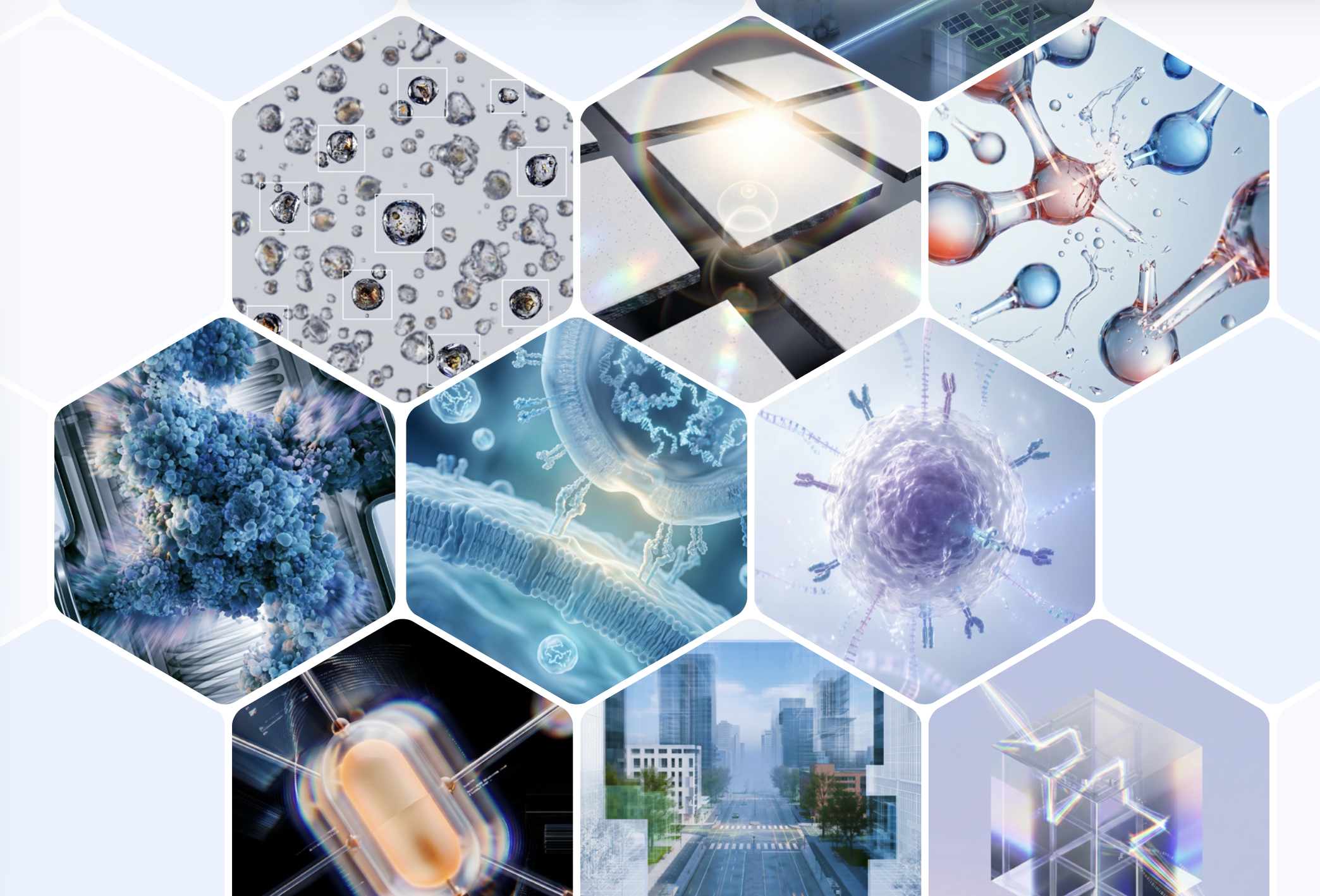
The Quiet Convergence: Reading the WEF's 2026 Emerging Technologies List

Every year, the World Economic Forum releases its Top 10 Emerging Technologies report — and every year it offers something more useful than a list of gadgets. It offers a read on where the genuine cutting edge is maturing: not the technologies dominating the news cycle, but the ones that have quietly reached the point where companies are investing, where the science has left the lab, where impact is becoming plausible.
This year's list is worth sitting with, and not only for the individual entries. Read together, the 2026 technologies tell a story about convergence.
An energy backbone. Three of the ten cluster around power: everything-to-grid systems that reimagine every building, vehicle, and device as an active participant in a distributed energy network; passive radiative cooling materials that release absorbed heat through a narrow band of infrared that escapes the atmosphere; and direct lithium extraction that addresses the supply bottleneck underneath nearly all modern electronics. None is flashy. All are foundational.
A biological turn. The middle of the list grows intimate. PFAS destruction tackles the "forever chemicals" we engineered to be indestructible — a vivid case study in how today's challenges are so often yesterday's innovations. Precision fermentation turns engineered microbes into microscopic factories for food, medicine, and materials. Exosome drug delivery and personalized mRNA cancer vaccines point toward medicine tailored to an individual genome — in some early trials, transforming survival odds for cancers long considered nearly untreatable.
A compute layer. Underneath runs the quiet infrastructure. Quantum simulation can model molecular interactions that classical computers find effectively impossible, opening once-"undruggable" diseases to discovery. AI world models aim to give machines an intuitive grasp of physical reality — learning through experience, the way a child learns gravity long before learning physics. And lattice-based cryptography hardens our data today against the quantum computers we expect tomorrow.
What makes the list compelling is how readily these pieces combine. Chain the biological and computational threads together and you approach something genuinely science-fictional: scan, model, fabricate, deliver. But convergence cuts both ways. Every capability here carries second- and third-order implications — questions of accountability when machines do the engineering, of unintended consequences when powerful tools meet messy human systems, of who shapes a world that artificial systems increasingly understand on their own terms.
Grab a copy of the full report directly from the World Economic Forum:
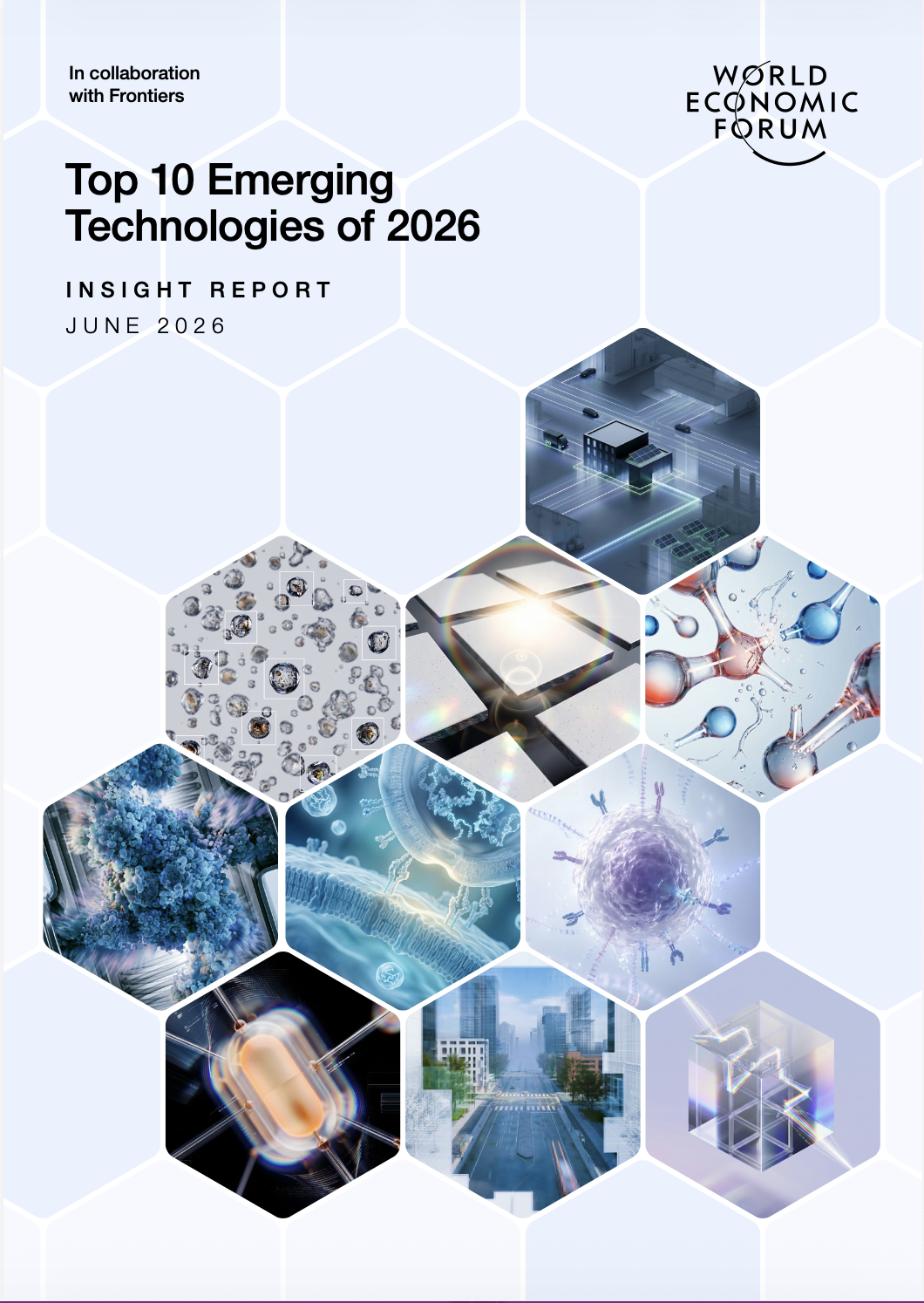
The honest takeaway isn't a prediction. It's an invitation to pay attention: to read the report, follow these technologies as they move, and ask not only what they make possible, but what kind of future they quietly assume.
Subscribe and Connect!
Subscribe to Modem Futura wherever you get your podcasts and connect with us on LinkedIn. Drop a comment, pose a question, or challenge an idea—because the future isn’t something we watch happen, it’s something we build together. The medium may still be the massage, but we all have a hand in shaping how it touches tomorrow.
🎧 Apple Podcast: https://apple.co/4w3oU4b
🎧 Spotify: https://open.spotify.com/episode/1G17Ta9RvnhPy1Ykrk5M3Y?si=LRMbrXArToas5rMcQF4XLA
📺 YouTube: https://youtu.be/Z1cJ-0OD_FM
🌐 Website: https://www.modemfutura.com/

Osaka Expo 2025 Futures Lab: an inside look with Jamey Wetmore – Episode 36

Why World’s Fairs Still Matter: Lessons from Osaka Expo 2025
Jamey Wetmore returns fresh from Osaka Expo 2025 to reveal how today’s World’s Fairs blend high-tech theater, geopolitical salesmanship and unexpected moments of awe—prompting a lively Modem Futura debate on what truly human-centered innovation looks like, and how that is shaping the future of science, technology, and society.
How relevant is a World’s Fair in 2025? Very, according to Dr. Jamey Wetmore, who just shepherded 17 Arizona State University students through ten exhilarating days at Osaka Expo 2025. In the latest Modem Futura episode, Jamey tells Andrew and me that today’s expos feel less like gadget bazaars and more like collaboration theme-parks where nations stage immersive stories about the futures they want to build. That subtle shift—from showing off products to showcasing partnerships and values—framed every pavilion we visited. Jordan invited visitors to sip cardamom coffee on real desert sand beneath a fiber-optic night-sky, urging “hospitality as technology.” Belgium’s AI-driven “digital-twin” ballet asked how personal data can dance alongside us. A three-torso android in the Future-of-Life pavilion provoked uncomfortable laughter—and deeper reflection—on transhumanist dreams. Even the U.S. pavilion’s rousing anthem “Together, Together” highlighted cooperation, though Jamey notes the message now feels out of step with recent geopolitical rhetoric.
The student experience was just as revealing. To tame sensory overload (20-25,000 steps a day is normal), they used bingo cards to track recurring buzzwords—sustainability, inclusivity, circularity—and morning debriefs to translate spectacle into critical insight. Their big takeaway? Grand visions only matter when paired with concrete pathways for everyday people. That insight crystallized during a lighthearted encounter with Kawasaki’s rideable four-legged “lion” robot: delightful, yes, but what problem does a robo-lion truly solve (not really sure, but 100% sure I want one)? Contrast that with Kubota’s autonomous farming systems, which demonstrate practical routes to food security under climate stress.
Jamey also reminded us that every expo sits on a historical continuum. Chicago 1893 electrified night-time. New York 1939 sold a “World of Tomorrow,” and the 1964 fair embedded a certain American exceptionalism in Disney’s It’s a Small World. Osaka 2025 inherits—and interrogates—that lineage, forcing visitors to ask: Who gets to define tomorrow? For our students, and for all of us, that question was as important as any hologram or robot on display.
Ultimately, the episode argues that expos retain power because they collapse culture, commerce, politics, and dreams into a single walkable space. They reveal not only what technologies we can build, but which stories about humanity we choose to elevate. As you listen, consider how your own work contributes to—or challenges—the futures on parade in Osaka. And if you’ve ever dismissed World’s Fairs as relics, this conversation might just change your mind.
🎧 Listen on Apple Podcasts: https://apple.co/3HDqx4S
📺 Watch us on YouTube: https://www.youtube.com/@ModemFutura
If you’d like to dive deeper, jump into the link and listen to the podcast or watch the YouTube video. Join us as we explore the forces shaping our collective future and the urgent need to keep human values at the heart of innovation.
Subscribe and Connect!
Subscribe to Modem Futura on a favorite podcast platform, follow on LinkedIn, and join the conversation by sharing thoughts and questions. The medium may still be the massage, but everyone has a chance to shape how it kneads modern culture—and to decide what kind of global village we ultimately build.
🎧 Apple Podcast: https://apple.co/3HDqx4S
🎧 Spotify: https://open.spotify.com/episode/1cQjbMJaPejpfLJsldek0a?si=NSW0cDCwR_aOtT1jmSJtzA
📺 YouTube: https://youtu.be/FYYyVuhtjw4
🌐 Website: https://www.modemfutura.com/