

NEWS & UPDATES

When the AI Goes Dark: What the Fable Ban Taught Us About Digital Fragility
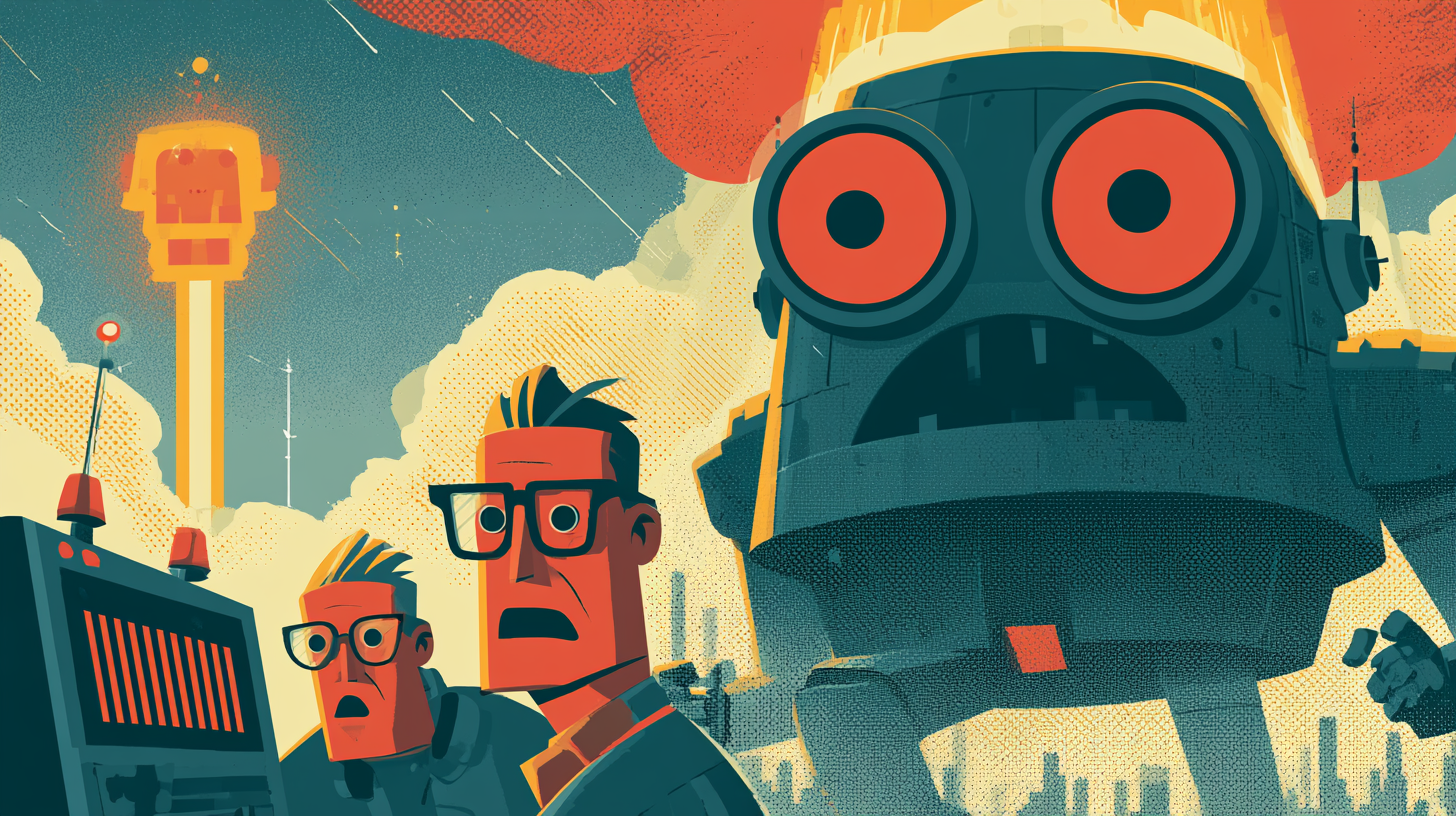
They turned off our AI - now what?
What happens when the government switches off an AI?
For most people, AI is a text field in a browser window: you type something in, something useful comes out. That framing makes it hard to see what AI has quietly become for organizations across research, healthcare, education, and industry, all critical infrastructure. And in the summer of 2026, we learned just how fragile that infrastructure can be.
In this episode of Modem Futura, hosts Sean Leahy and Andrew Maynard unpack the saga of Anthropic's Fable, the most capable AI model yet released to the public. Three days after launch, a U.S. Commerce Department export control directive declared it a national security concern, barring access for non-U.S. citizens. Because no platform can verify the citizenship of its users, the model effectively disappeared for everyone — including the researchers inside Anthropic who built it. Weeks later, it returned as suddenly as it left.
The episode treats this less as a news story than as a signal. Futurists have long used sudden technology loss as a hypothetical scenario; like the pandemic scenarios that preceded 2020, it has now crossed from the abstract to the lived. Once that happens, the questions change, if a government can switch off a frontier model at the close of business on a Friday, what does responsible AI adoption look like for a hospital, a university, a business? Where is the line between experimenting on the fringes and building your operations on ground that can move?
One answer explored in the conversation is local AI — smaller models running on hardware you control. They can't match the capability of cloud-based frontier systems (yet) and the hosts are honest about that trade-off. But the Fable episode gave the local argument its first piece of hard evidence, and it may point toward a future of hyper-specific local tools working alongside more powerful, more revocable cloud platforms.
The deeper thread is governance, and even the invocation of the big R-word (regulation). The directive was triggered by capability that regulators had never seen before, and capability is not slowing down. Governing technologies like these will take more than technologists and more than policymakers — it requires people who can work across disciplines, translating between the builders, the philosophers now being hired into AI labs, and the institutions trying to keep up.
The episode doesn't land on tidy answers, because there aren't any yet. What it offers instead is a way of thinking about dependency, sovereignty, and resilience while the ground is still shifting — which is, after all, when thinking matters most.
Subscribe and Connect!
Subscribe to Modem Futura wherever you get your podcasts and connect with us on LinkedIn. Drop a comment, pose a question, or challenge an idea—because the future isn’t something we watch happen, it’s something we build together. The medium may still be the massage, but we all have a hand in shaping how it touches tomorrow.
🎧 Apple Podcast: https://apple.co/4ykQCez
🎧 Spotify: https://open.spotify.com/episode/1yCGEa1nafYu9CM4Mxux5Z?si=jPTtglvnRGW_qHtXqPbFvA
📺 YouTube: https://youtu.be/7ir38k4DjLA
🌐 Website: https://www.modemfutura.com/
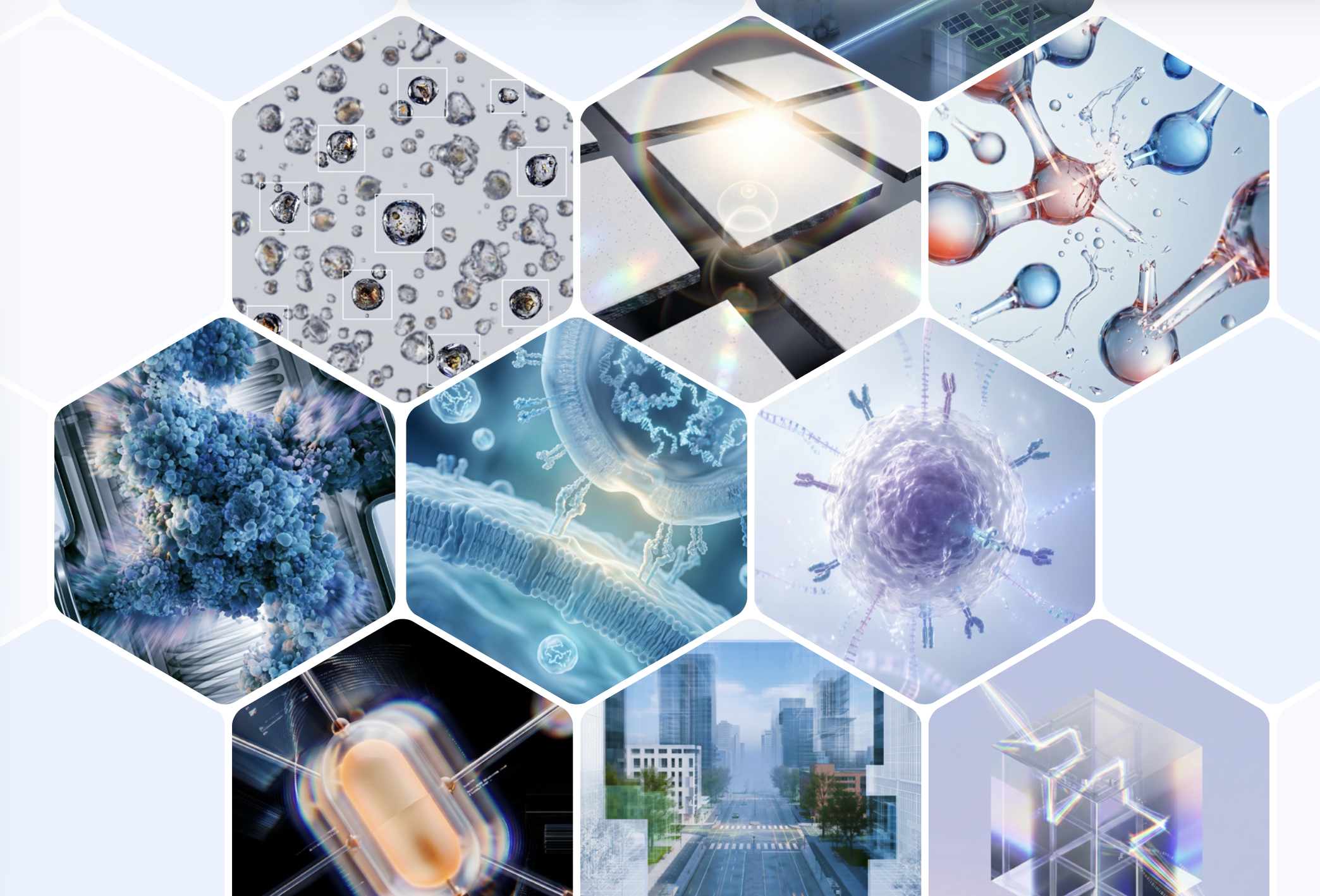
The Quiet Convergence: Reading the WEF's 2026 Emerging Technologies List

Every year, the World Economic Forum releases its Top 10 Emerging Technologies report — and every year it offers something more useful than a list of gadgets. It offers a read on where the genuine cutting edge is maturing: not the technologies dominating the news cycle, but the ones that have quietly reached the point where companies are investing, where the science has left the lab, where impact is becoming plausible.
This year's list is worth sitting with, and not only for the individual entries. Read together, the 2026 technologies tell a story about convergence.
An energy backbone. Three of the ten cluster around power: everything-to-grid systems that reimagine every building, vehicle, and device as an active participant in a distributed energy network; passive radiative cooling materials that release absorbed heat through a narrow band of infrared that escapes the atmosphere; and direct lithium extraction that addresses the supply bottleneck underneath nearly all modern electronics. None is flashy. All are foundational.
A biological turn. The middle of the list grows intimate. PFAS destruction tackles the "forever chemicals" we engineered to be indestructible — a vivid case study in how today's challenges are so often yesterday's innovations. Precision fermentation turns engineered microbes into microscopic factories for food, medicine, and materials. Exosome drug delivery and personalized mRNA cancer vaccines point toward medicine tailored to an individual genome — in some early trials, transforming survival odds for cancers long considered nearly untreatable.
A compute layer. Underneath runs the quiet infrastructure. Quantum simulation can model molecular interactions that classical computers find effectively impossible, opening once-"undruggable" diseases to discovery. AI world models aim to give machines an intuitive grasp of physical reality — learning through experience, the way a child learns gravity long before learning physics. And lattice-based cryptography hardens our data today against the quantum computers we expect tomorrow.
What makes the list compelling is how readily these pieces combine. Chain the biological and computational threads together and you approach something genuinely science-fictional: scan, model, fabricate, deliver. But convergence cuts both ways. Every capability here carries second- and third-order implications — questions of accountability when machines do the engineering, of unintended consequences when powerful tools meet messy human systems, of who shapes a world that artificial systems increasingly understand on their own terms.
Grab a copy of the full report directly from the World Economic Forum:
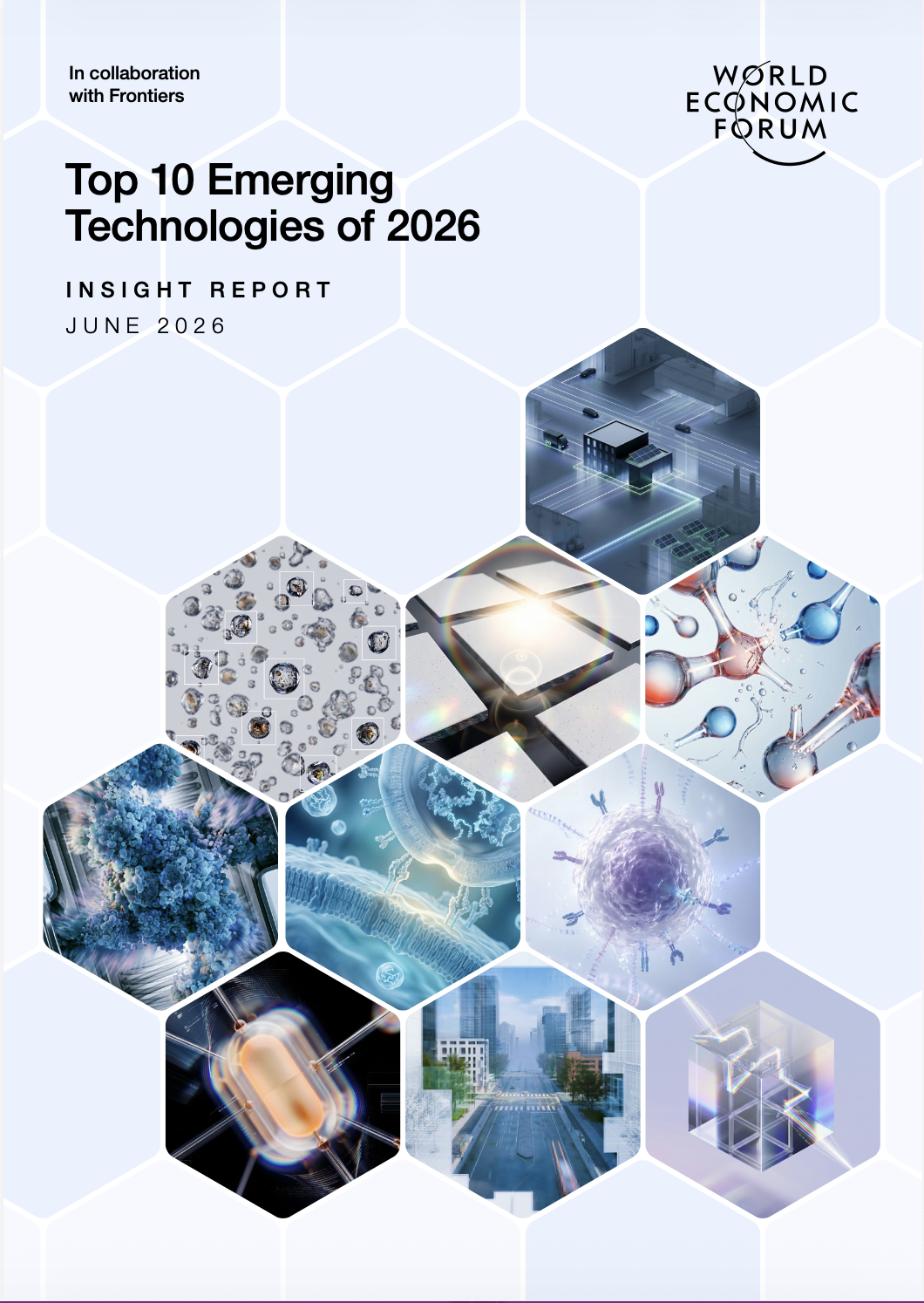
The honest takeaway isn't a prediction. It's an invitation to pay attention: to read the report, follow these technologies as they move, and ask not only what they make possible, but what kind of future they quietly assume.
Subscribe and Connect!
Subscribe to Modem Futura wherever you get your podcasts and connect with us on LinkedIn. Drop a comment, pose a question, or challenge an idea—because the future isn’t something we watch happen, it’s something we build together. The medium may still be the massage, but we all have a hand in shaping how it touches tomorrow.
🎧 Apple Podcast: https://apple.co/4w3oU4b
🎧 Spotify: https://open.spotify.com/episode/1G17Ta9RvnhPy1Ykrk5M3Y?si=LRMbrXArToas5rMcQF4XLA
📺 YouTube: https://youtu.be/Z1cJ-0OD_FM
🌐 Website: https://www.modemfutura.com/

Summer Vibes & Spatial Rides: Inside Vision Pro, F1 & Jurassic Reboots - Episode 39
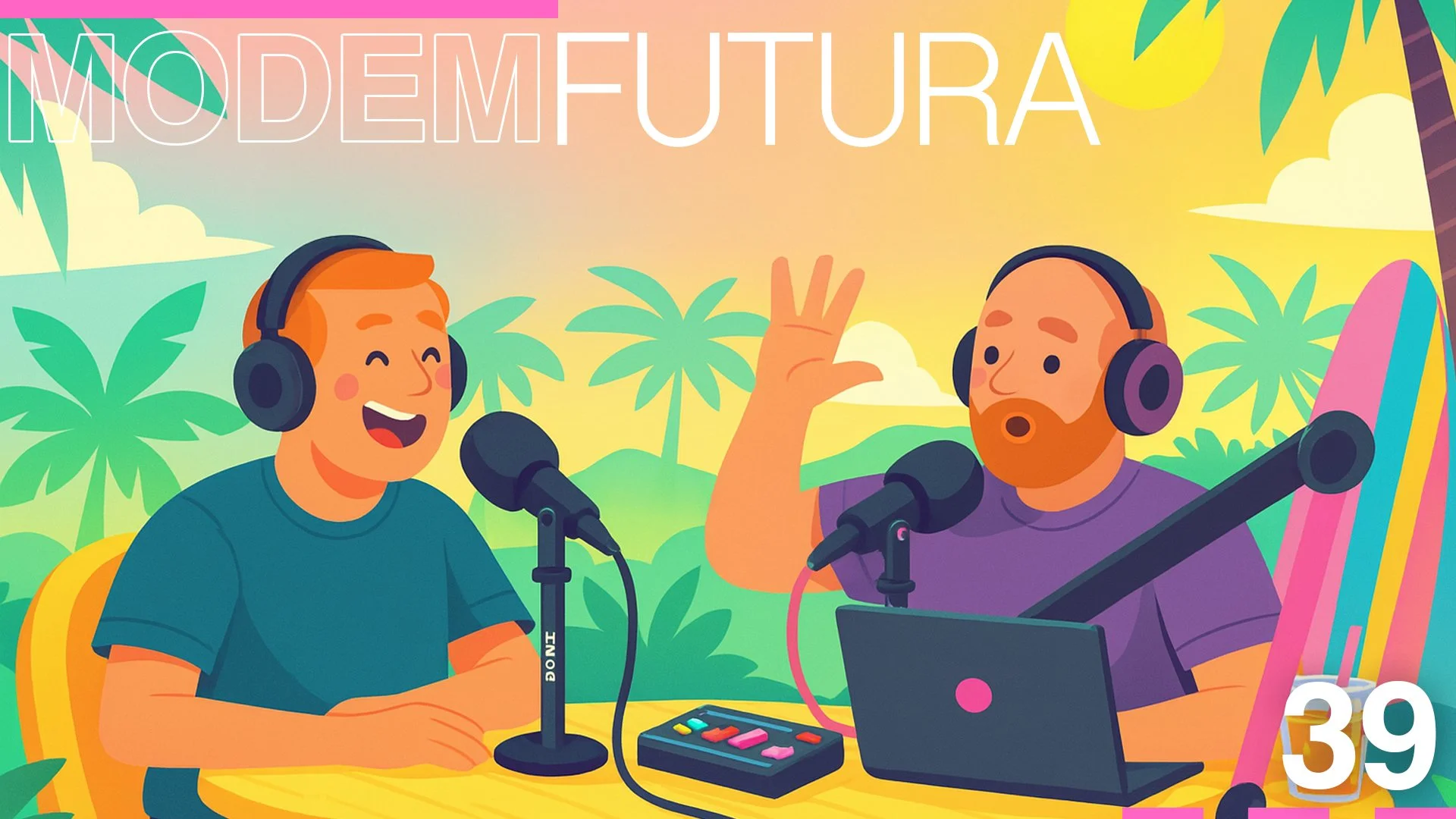
☀️ It’s HOT in here… Dive into Modem Futura’s “Summer Vibes” episode, where hosts Sean Leahy and Andrew Maynard unpack Apple Vision Pro spatial video, Jurassic World’s reboot, Formula 1’s cinematic debut, and China’s AI surge after WEF’s “Summer Davos”—all while exploring how these breakthroughs reshape humanity’s tech‑driven future.
🏖️ While the heat is cranked up in the studio (and Arizona in general) Andrew and I have a chance to unwind from our various summer travels for what we might call a “potpourri” episode where we just get to talk about several topics hot on our minds… So whether you’re off to the beach, the mountains, heading out on a grand holiday, or a much needed staycation - we hope you’ll enjoy some of these “summer” topics.
A Hands‑On Reality Check for Apple Vision Pro
After months of real‑world testing, Sean and Andrew compare wish‑list features and day‑to‑day realities of Apple’s first‑gen spatial computer. From stitching multi‑cam spatial video to designing XR‑ready podcast sets, they deliver practical tips, pitfalls to avoid, and a glimpse of how “work in mixed reality” could eclipse the old‑school laptop sooner than you think.
Jurassic Park vs. Jurassic World—Why Practical Effects Still Matter
Next the duo rewind to 1993’s Jurassic Park to ask: Did Spielberg’s animatronics age better than today’s CGI? Their verdict? New film Jurassic World: Rebirth nails spectacle, but the tactile magic of rubberized T‑rex skin still wins hearts. The debate morphs into a larger conversation on authenticity in digital storytelling—and what it might mean for future filmmakers, brand marketers, and immersive‑media designers.
Formula 1 Meets Hollywood IMAX
Gear-heads rejoice: Brad Pitt’s upcoming Formula 1 feature has Sean and Andrew excited over ultra‑wide‑angle cockpit shots, in‑camera VFX, and how motorsport’s data‑rich culture could reinvent cinematic narratives. They speculate on live telemetry overlays, fan‑controlled POV streams, and why F1 is the perfect test‑bed for mainstreaming real‑time spatial / immersive video.
China’s “Summer Davos” & the AI Arms Race
Fresh off the World Economic Forum’s Annual Meeting of New Champions in Dalian, Andrew unpacks Beijing’s new national AI strategy, and start‑up phenom DeepSeek. The takeaway: global AI leadership is no longer a two‑horse race; it’s a sprint where policy, compute, and culture collide.
Low-background Steel
Sean and Andrew discuss the concept of John Graham-Cumming's Low-background Steel (pre-Ai) website, that represents a point (or perhaps line) in human history, in which all output after the release of ChatGPT in late 2022 will carry some level of “contamination” from generative AI. We explore what this means of the future of being human - and how might we think about this indelible mark on human history.
Why It Matters
Whether you’re a product manager, educator, investor, or lifelong learner, these topics converge on a single question: How will emergent tech redefine what it means to be human? From XR workspaces replacing offices to generative AI altering creative identity, the future is arriving faster—and stranger—than forecast.
🎧 Listen on Apple Podcasts: https://apple.co/45YQ1Ur
📺 Watch us on YouTube: https://www.youtube.com/@ModemFutura
If you’d like to dive deeper, jump into the link and listen to the podcast or watch the YouTube video. Join us as we explore the forces shaping our collective future and the urgent need to keep human values at the heart of innovation.
Subscribe and Connect!
Subscribe to Modem Futura on a favorite podcast platform, follow on LinkedIn, and join the conversation by sharing thoughts and questions. The medium may still be the massage, but everyone has a chance to shape how it kneads modern culture—and to decide what kind of global village we ultimately build.
🎧 Apple Podcast: https://apple.co/45YQ1Ur
🎧 Spotify: https://open.spotify.com/episode/5pfl59Xi6W0rqcHce8QGwV?si=coazi5zDRt2Jm37ur4ouzw
📺 YouTube: https://youtu.be/-rAd8RuzUm0
🌐 Website: https://www.modemfutura.com/