

NEWS & UPDATES

Three Horizons Framework & Futures Wheel Explained
There's a reason some organizations consistently seem to see disruption coming — and it's usually not because they're smarter or better funded. It's because they've built structured habits of thinking about change in multiple time horizons simultaneously, and they've learned how to trace the cascading consequences of a single shift before it becomes a crisis.
Two of the oldest and most reliable tools for doing exactly that are the Three Horizons Framework and the Futures Wheel. In this episode of Modem Futura, hosts Sean Leahy and Andrew Maynard break both down in accessible, conversational detail — and show what becomes possible when you use them together.
The Three Horizons Framework
Originally developed by Bill Sharpe and widely used in professional foresight and strategic planning, divides the landscape of change into three overlapping zones. Horizon 1 represents the dominant present — the systems, structures, and assumptions that govern how the world works today. Horizon 3 is the emergent fringe: weak signals, nascent ideas, and early-stage shifts that are observable but not yet mainstream. And Horizon 2 is the transitional space between them — turbulent, hard to define, and full of both opportunity and risk.
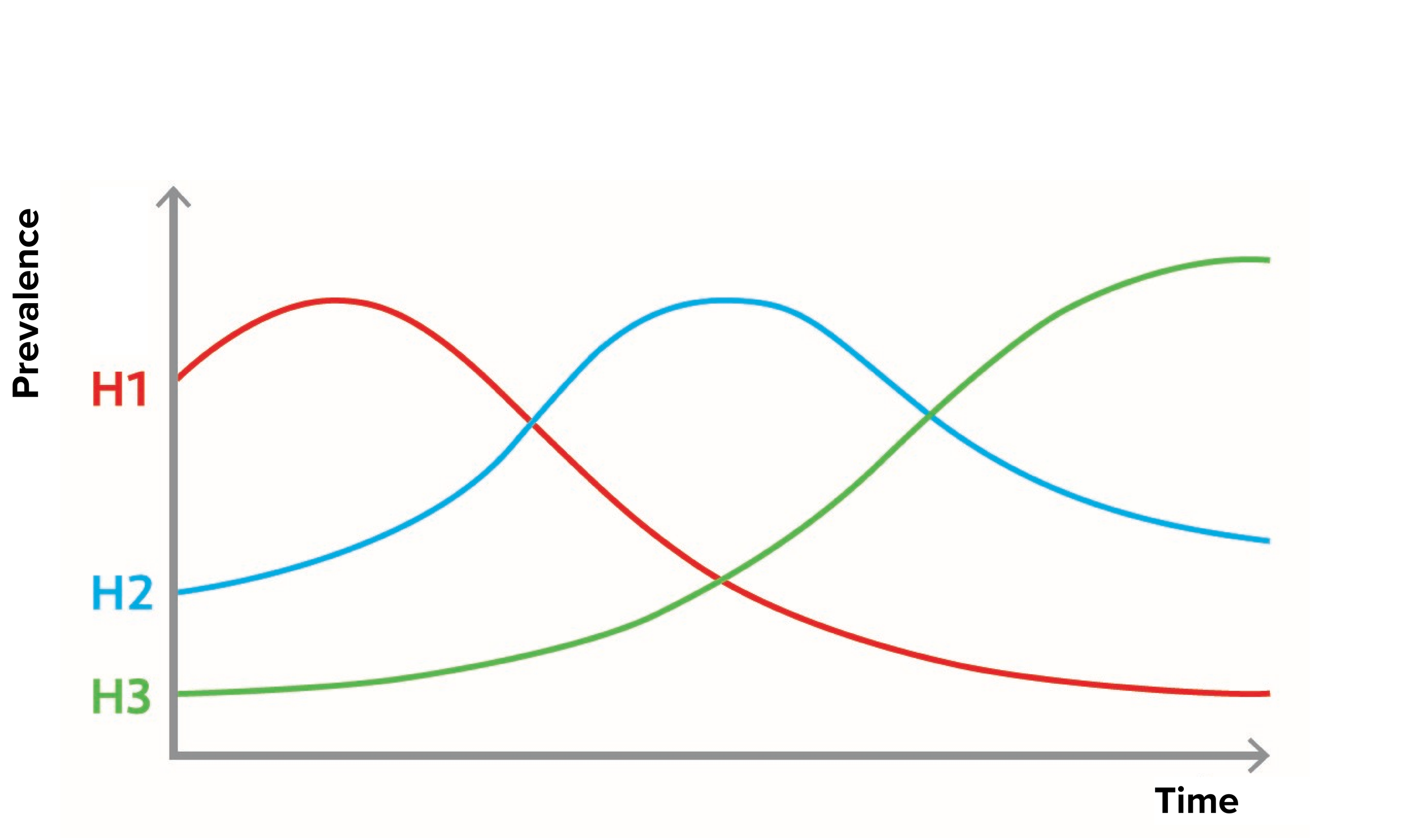
The model doesn't tell you what the future will bring. What it offers is a way of *positioning* trends, signals, and innovations in relation to change — helping individuals and organizations understand what to watch, what to act on, and what to prepare for.
The Futures Wheel
Developed by Jerome Glenn in 1971, works differently but complementarily. Starting from a specific change or trend, it maps outward through first, second, and third-order consequences — building a rich, networked picture of how a single shift might ripple through a system over time. It's a brainstorming and sense-making tool, not a prediction engine, and it's at its most powerful when used with diverse groups who bring different perspectives to the same question.
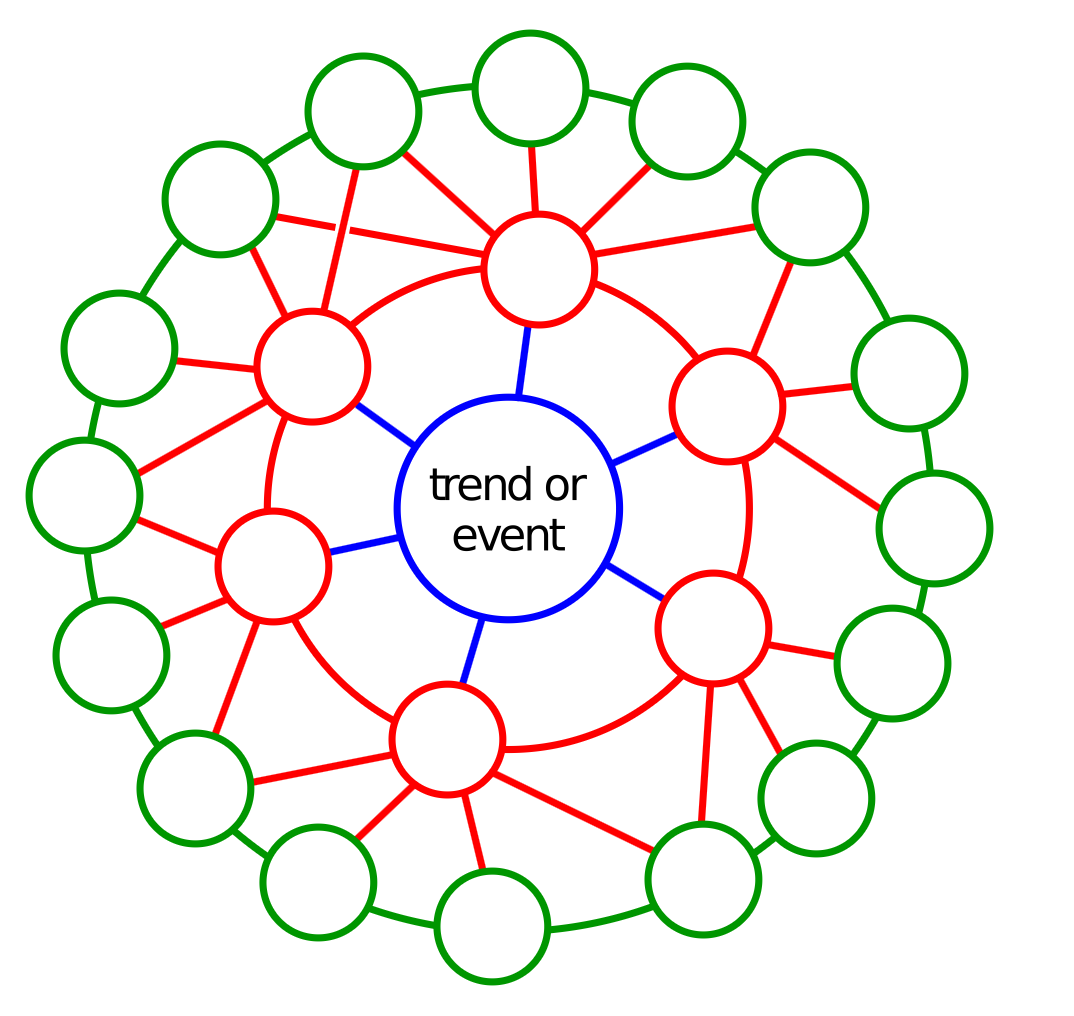
Used individually, each tool offers genuine insight. Used together, they offer something more: a way of understanding not just *what* a signal might do, but *when* and *through which pathways* it might do it.
Whether you're a founder trying to figure out which wave to ride, a strategist scanning for disruption, or simply someone trying to make better decisions in an uncertain world, these tools are worth adding to your thinking practice.
🎧 Listen to the full episode wherever you get your podcasts, or watch on YouTube.
Subscribe and Connect!
Subscribe to Modem Futura wherever you get your podcasts and connect with us on LinkedIn. Drop a comment, pose a question, or challenge an idea—because the future isn’t something we watch happen, it’s something we build together. The medium may still be the massage, but we all have a hand in shaping how it touches tomorrow.
🎧 Apple Podcast: https://apple.co/4sosMdQ
🎧 Spotify: https://open.spotify.com/episode/58Fdc2SrWodBTbwfxK8Pwm?si=leiCnhRsQxuv-_hnxEeNjQ
📺 YouTube: https://youtu.be/eVk6L_VfAkY
🌐 Website: https://www.modemfutura.com/

Futures Thinking: Foresight You Can Use – Episode 49
We don’t predict the future, but we prepared for the uncertainties the futures will bring
Ever been stuck in traffic and thought, “Where’s my eVTOL button?” We open this episode right there—and quickly flip the fantasy into a lesson on systems: technologies don’t fix congestion (or most complex problems) unless policy, behavior, equity, and infrastructure evolve with them. From that launchpad, Sean Leahy and Dr. Andrew Maynard unpack futures thinking as a mindset—distinct from prediction—that helps people and organizations navigate uncertainty with agency. They walk through the classic triad of possible, probable, and preferable futures, then translate it into practice: horizon scanning (signals, trends, megatrends), scenario building, and backcasting from a desired 10‑year outcome to concrete actions today. Along the way, they surface guardrails like avoiding “used futures” (inherited visions of someone else’s desired future) and stress‑testing for unintended consequences, especially for vulnerable communities and the planet.
The conversation ranges widely—think SimCity lessons and Mars‑city thought experiments as mirrors for Earth’s complexity; protopian (step‑by‑step better) versus utopian/dystopian frames; and why foresight shouldn’t be a bolt‑on consultancy only, but a capacity embedded across teams. Educators will appreciate a practical take on bringing futures thinking into K–12 and higher ed without “one more thing”: weave foresight into existing subjects to build creativity, inquiry, and resilience. Pop culture helps, too—using films (à la The Moviegoer’s Guide to the Future) creates a low‑stakes, high‑insight space to explore tough issues together. And for those tracking AI’s breakneck pace, the episode doubles as an antidote to future shock—a way to slow down, widen perspective, and choose well‑considered next steps.
Why it matters: Futures Thinking is for everyone - all humans poses the qualities needed to engage in thinking about our collective futures. Whether you lead a product team, a classroom, or a community, cultivating a futures mindset helps you spot weak signals earlier, align around preferable outcomes, and take action that nudges the world toward human flourishing.
Join the conversation:
What “used future” have you noticed in your field? If you were backcasting from a 2035 future you’d be proud of, what’s the first move you’d make this quarter? Drop your thoughts—and feel free to borrow this episode in your class, team meeting, or strategy offsite.
🎧 Listen to the full episode to dive deeper into how films shape our futures: https://apple.co/4nrAIci
📺 Watch us on YouTube: https://www.youtube.com/@ModemFutura
🎬 What film has changed the way you think about the future? Drop a comment — we’d love to hear.
If you’d like to dive deeper, jump into the link and listen to the podcast or watch the YouTube video. Join us as we explore the forces shaping our collective future and the urgent need to keep human values at the heart of innovation.
Subscribe and Connect!
Subscribe to Modem Futura on a favorite podcast platform, follow on LinkedIn, and join the conversation by sharing thoughts and questions. The medium may still be the massage, but everyone has a chance to shape how it kneads modern culture—and to decide what kind of global village we ultimately build.
🎧 Apple Podcast: https://apple.co/4nrAIci
🎧 Spotify: https://open.spotify.com/episode/1OmUyc6fYdMIZ8thORheOJ?si=ZTQ-ZI7hQzSjNTy3jhjgfQ
📺 YouTube: https://youtu.be/85cTuht_a8k
🌐 Website: https://www.modemfutura.com/